

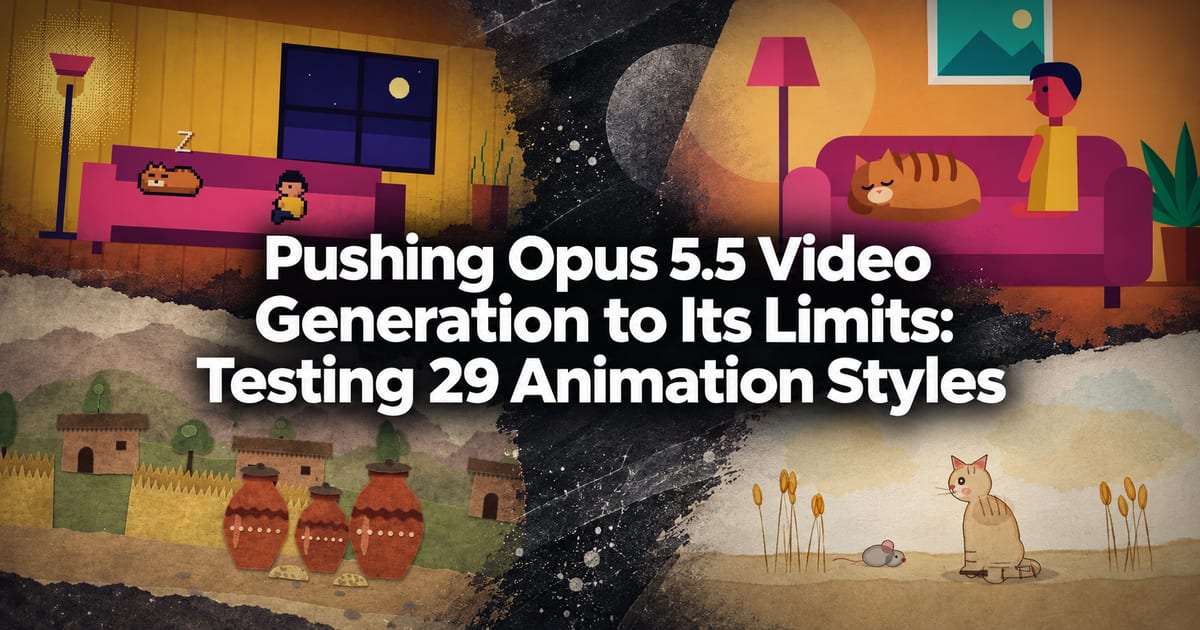
Pushing the Limits of Video Generation with Opus 5.5—Testing 29 Animation Styles at Once
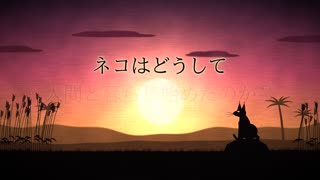
When we say “have AI create a video,” photorealistic footage is not the only answer. This time, using Opus 5.5, I set out to test the limits of video generation: how many distinctly different visual styles could be created from the same theme?
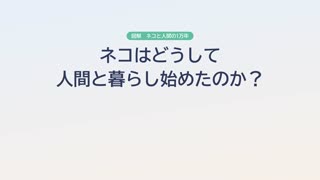
The subject throughout is: “Why did cats begin living with humans?” Around 10,000 years ago, mice gathered around the grain humans had stored; wild cats followed the mice, and humans gradually welcomed the cats into their lives.
Rather than relying on external image assets, every visual element—from the shapes, textures, characters, and motion that make up the screen—is built in code. See for yourself how much the impression and clarity of the same content can change simply by altering its mode of expression.
The First PoCs
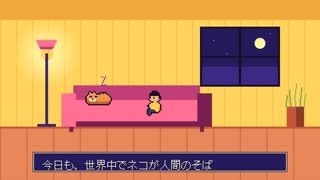
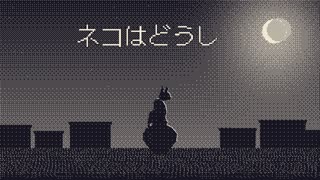
Pixel Art PoC
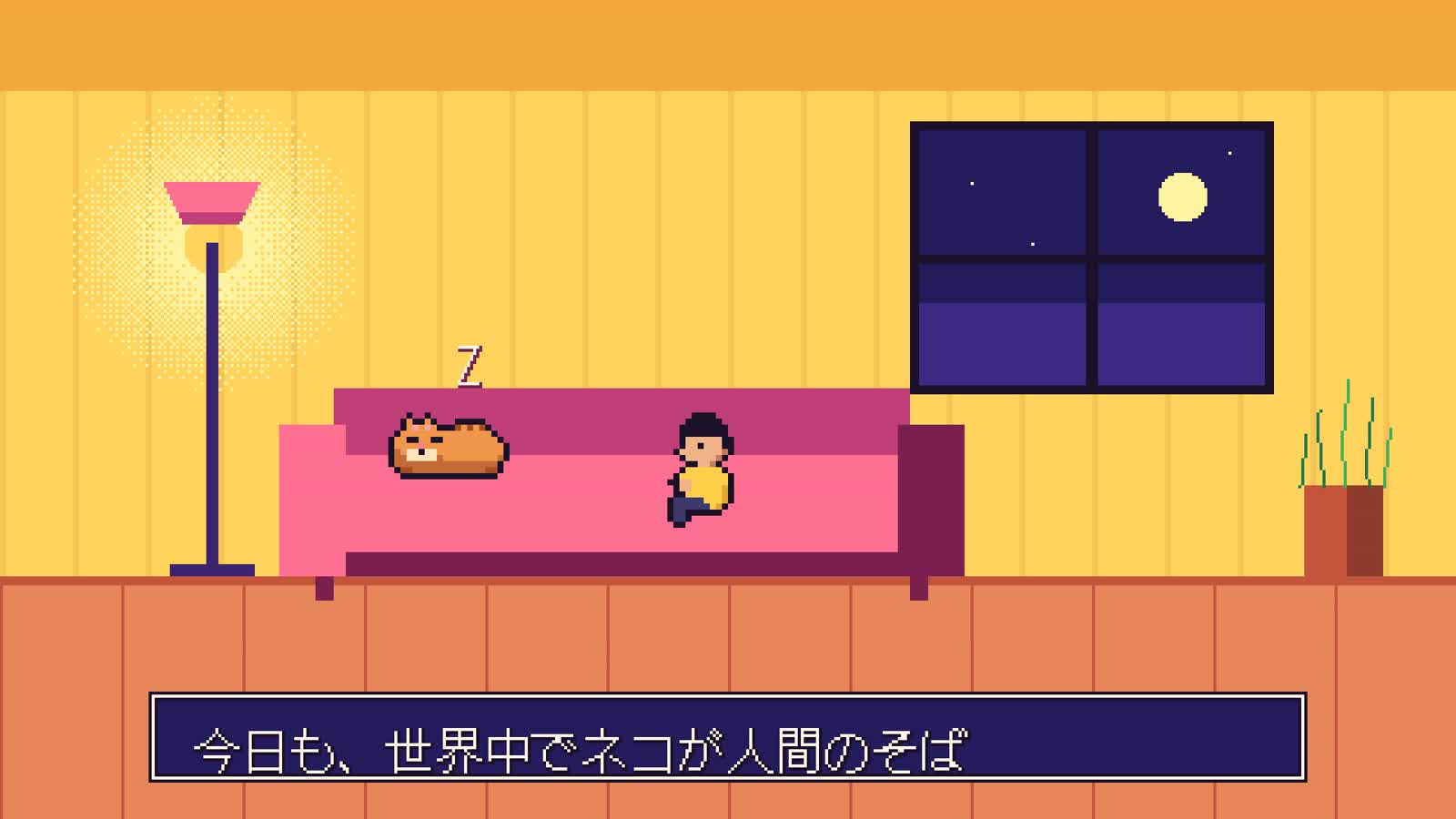
A storytelling style that presents the history of cats and humans through pixel art reminiscent of 16-bit RPGs and game-screen-inspired staging.
Flat Vector Explainer PoC
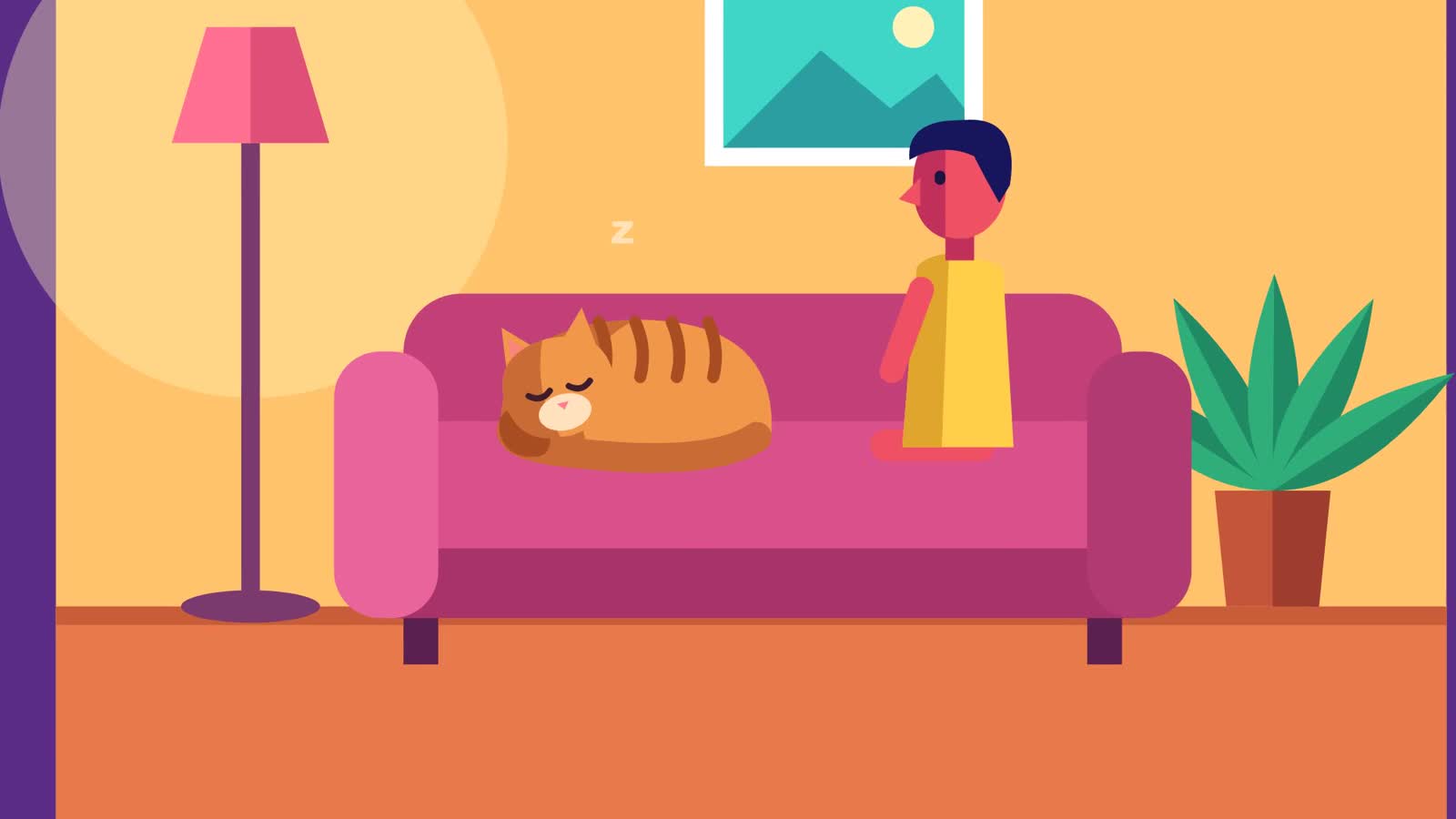
A modern flat-vector explainer video that combines bold outlines, vivid colors, and lively motion.
PoCs by Style
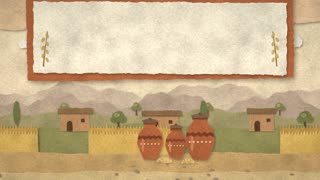
01: Paper Cut
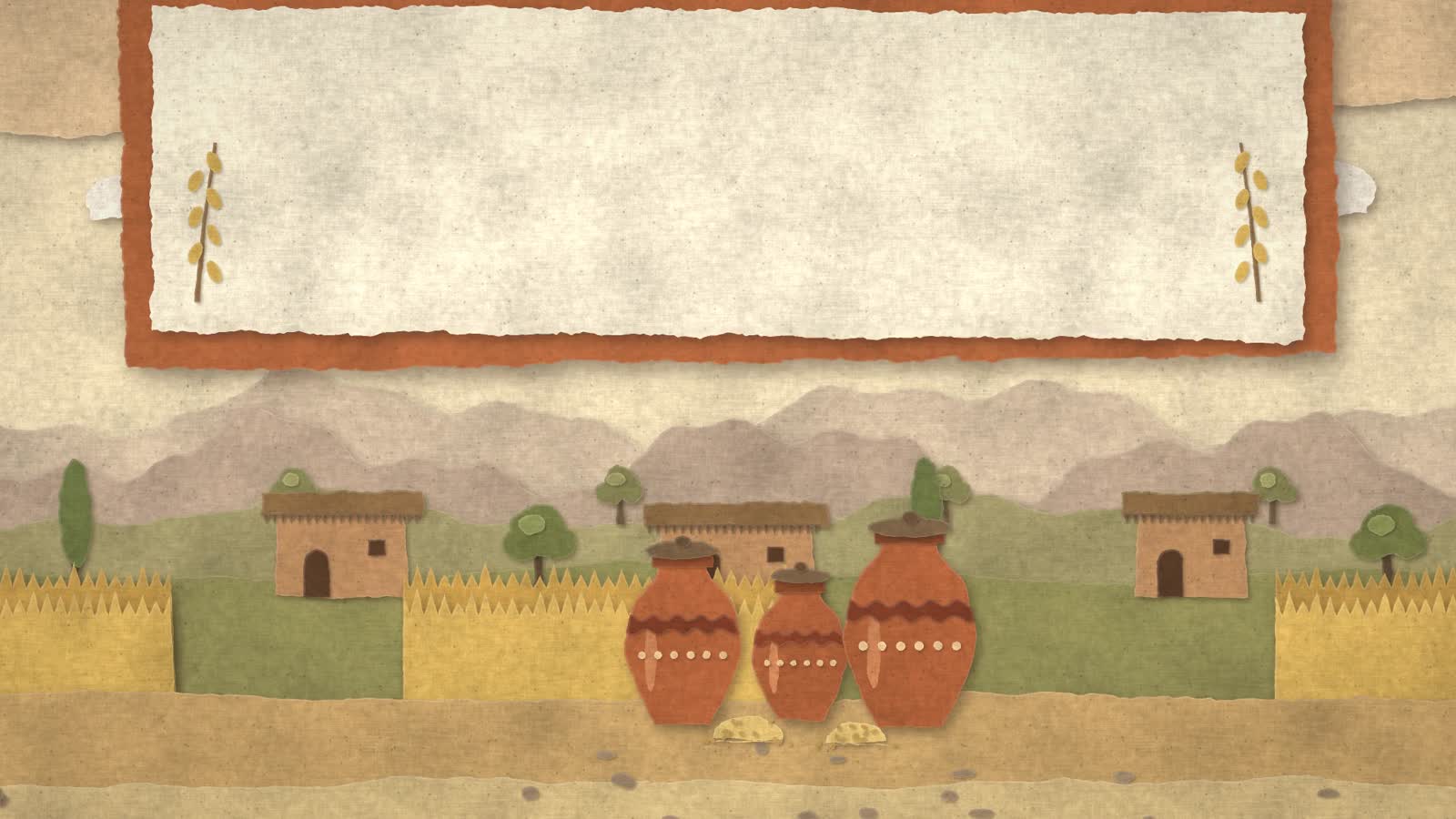
A warm paper-cut style, like a diorama made by layering multiple cut sheets of paper.
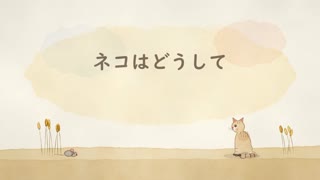
02: Watercolor
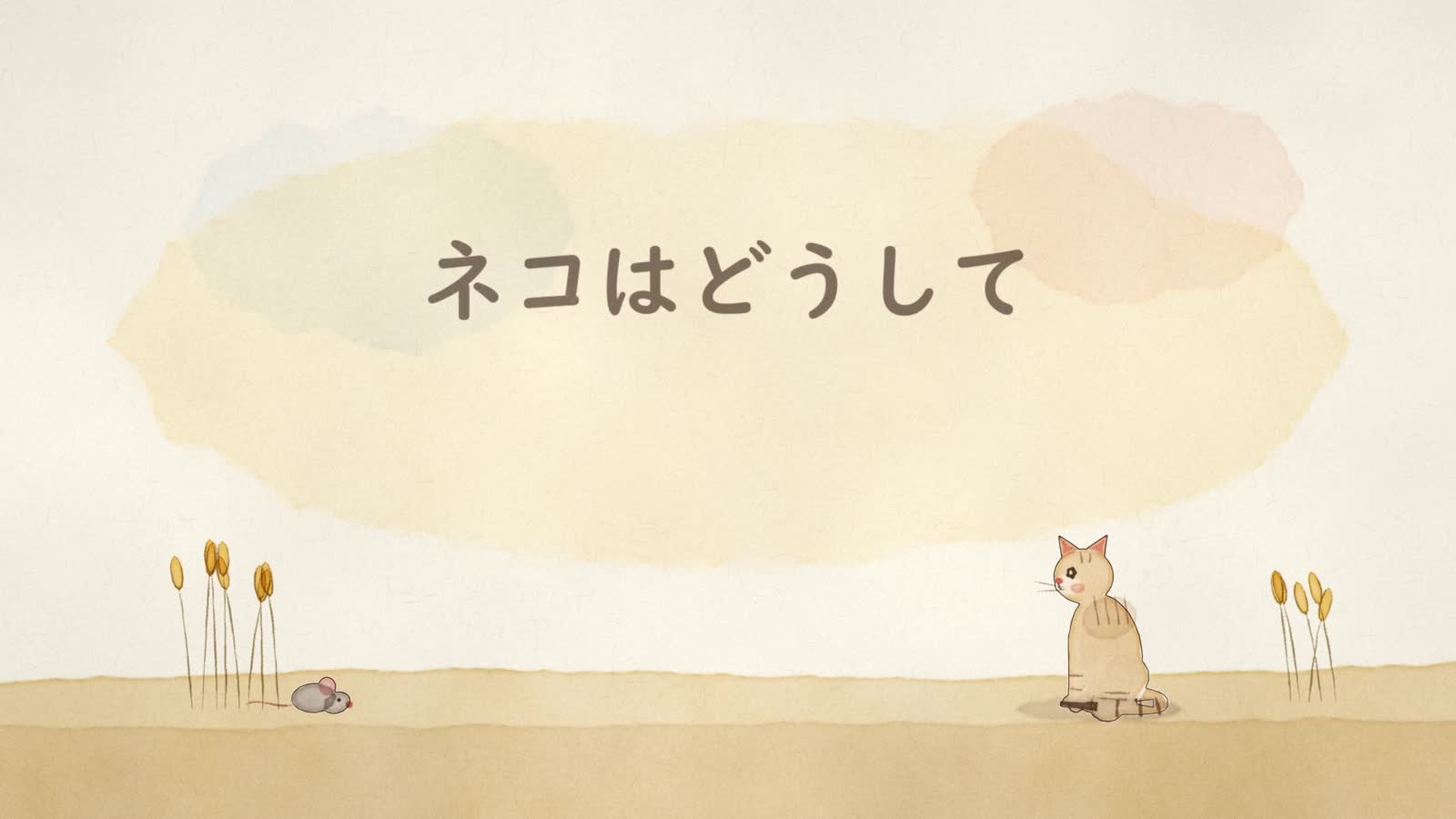
A soft, picture-book-like style layered with pale transparent watercolor and fine brown lines.
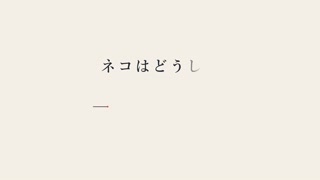
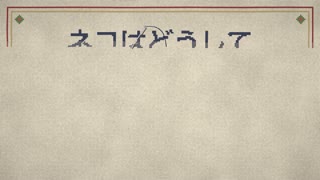
06: Continuous Line Art
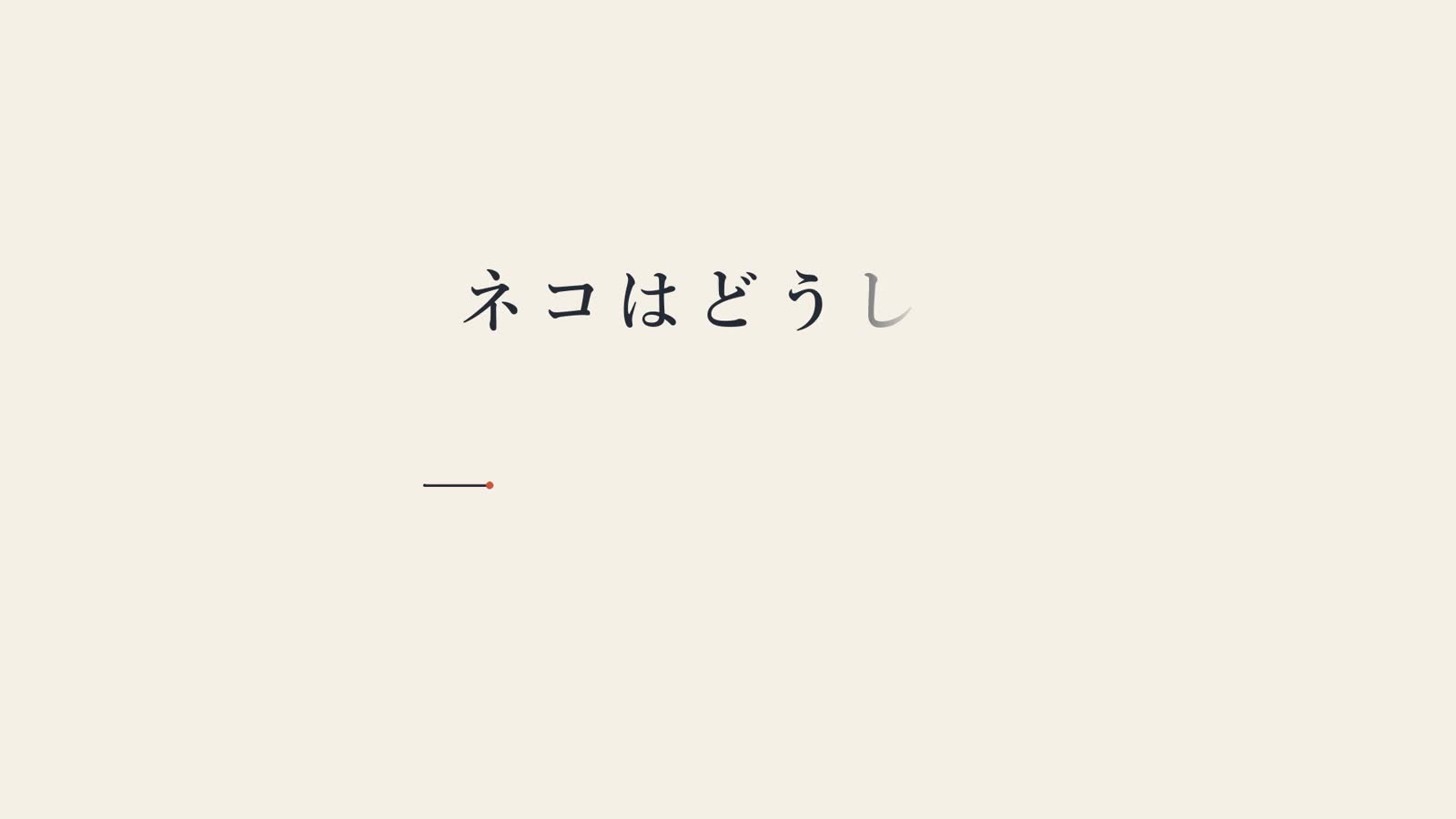
A minimalist continuous-line style in which a single line draws each image before your eyes.
07: Particles
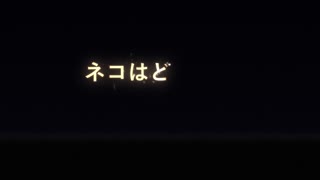
An ethereal generative animation in which hundreds of thousands of glowing particles converge and disperse to form scenes and text.
08: Silhouette
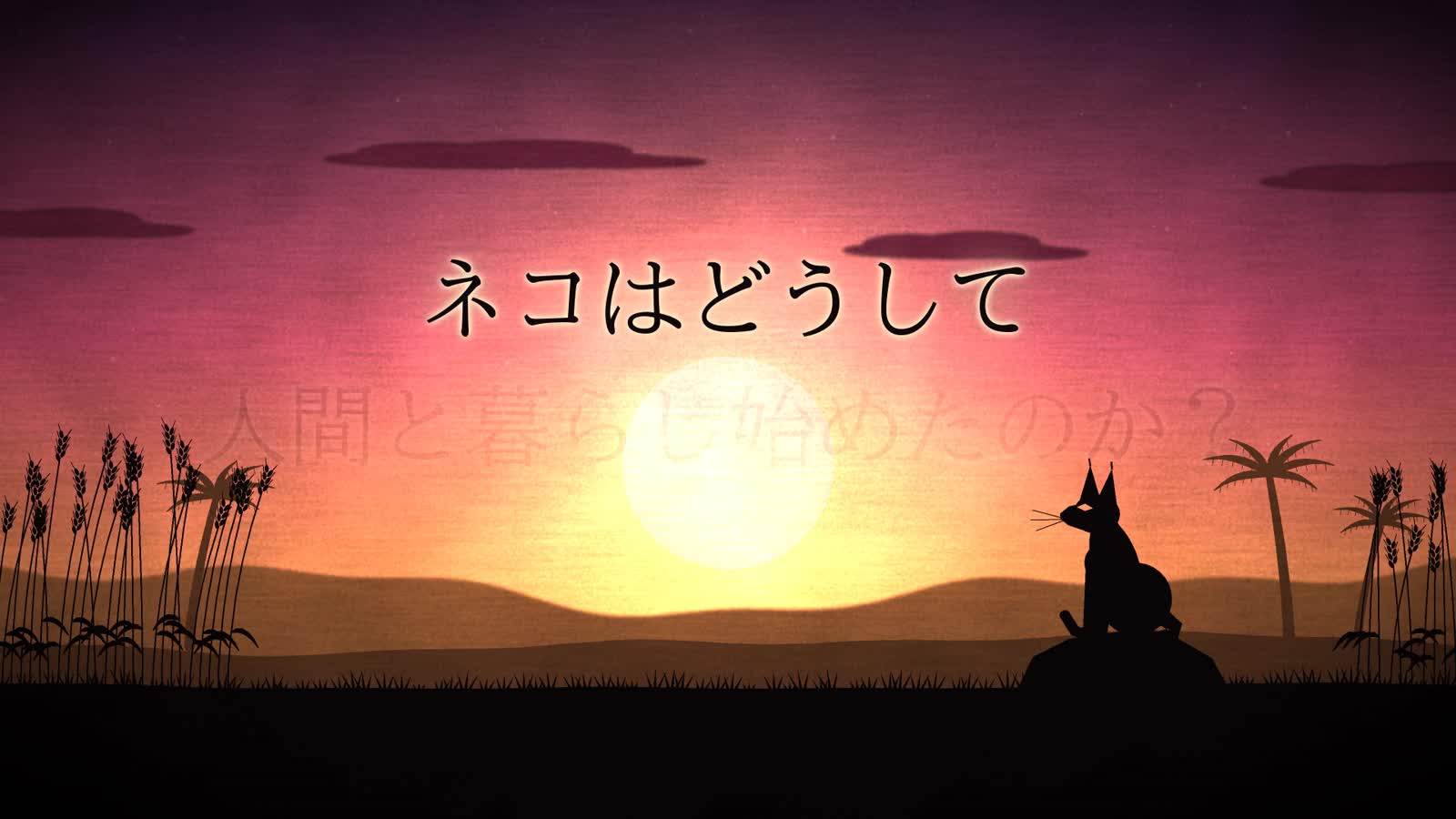
A silhouette theater of cutout shadow puppets moving against light that shifts from dusk into night.
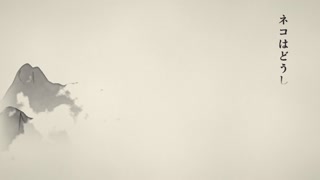
10: Sumi-e
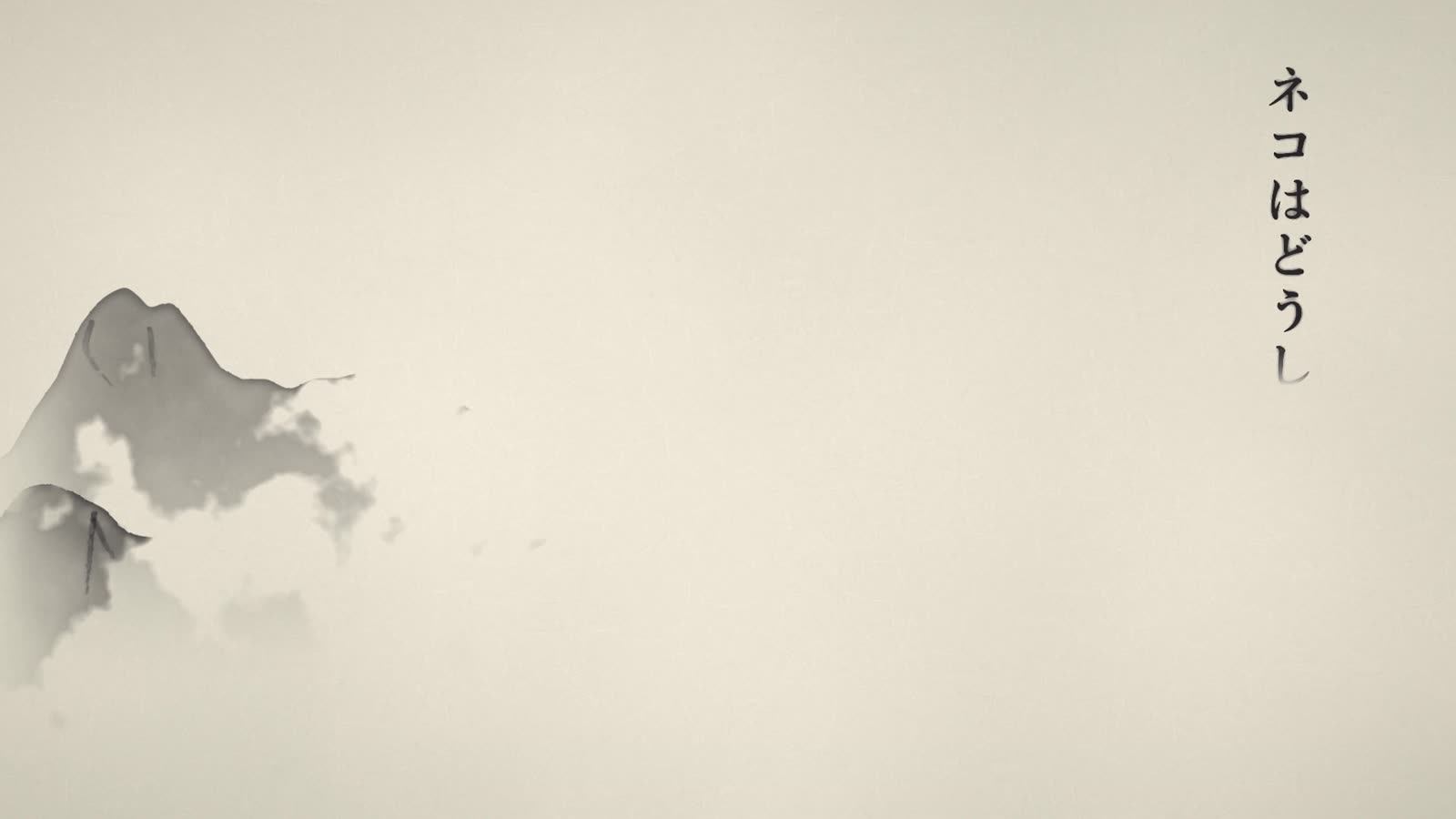
A Japanese ink-wash-painting-inspired animation that makes use of bleeding ink, dry-brush texture, and tonal variation.
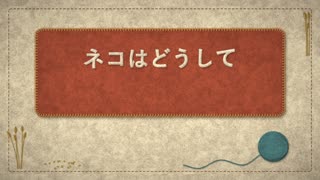
13: Felt
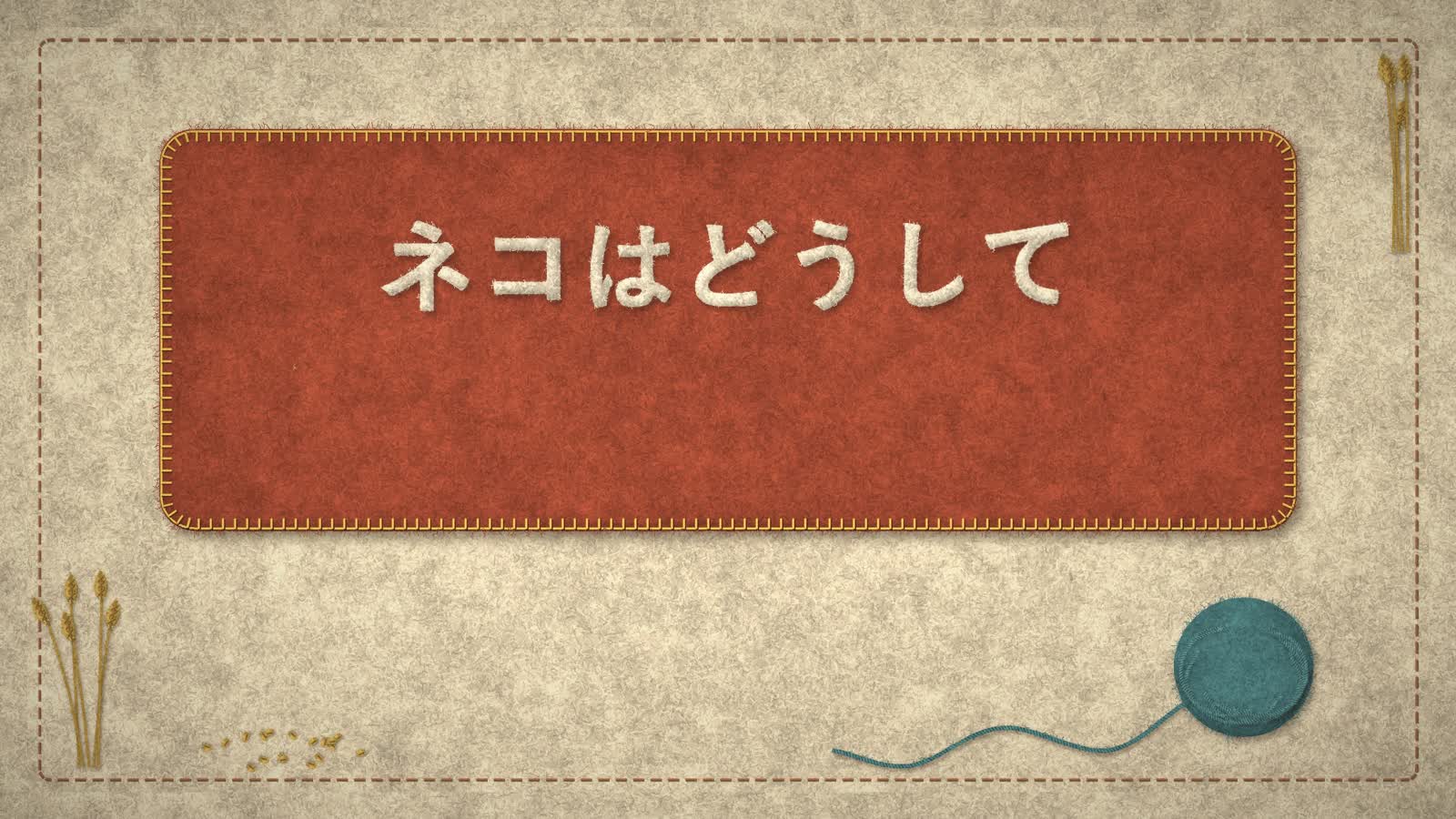
A texture that makes handmade felt and yarn crafts appear to move in stop motion.
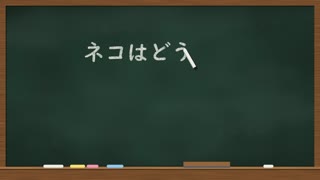
14: Chalkboard
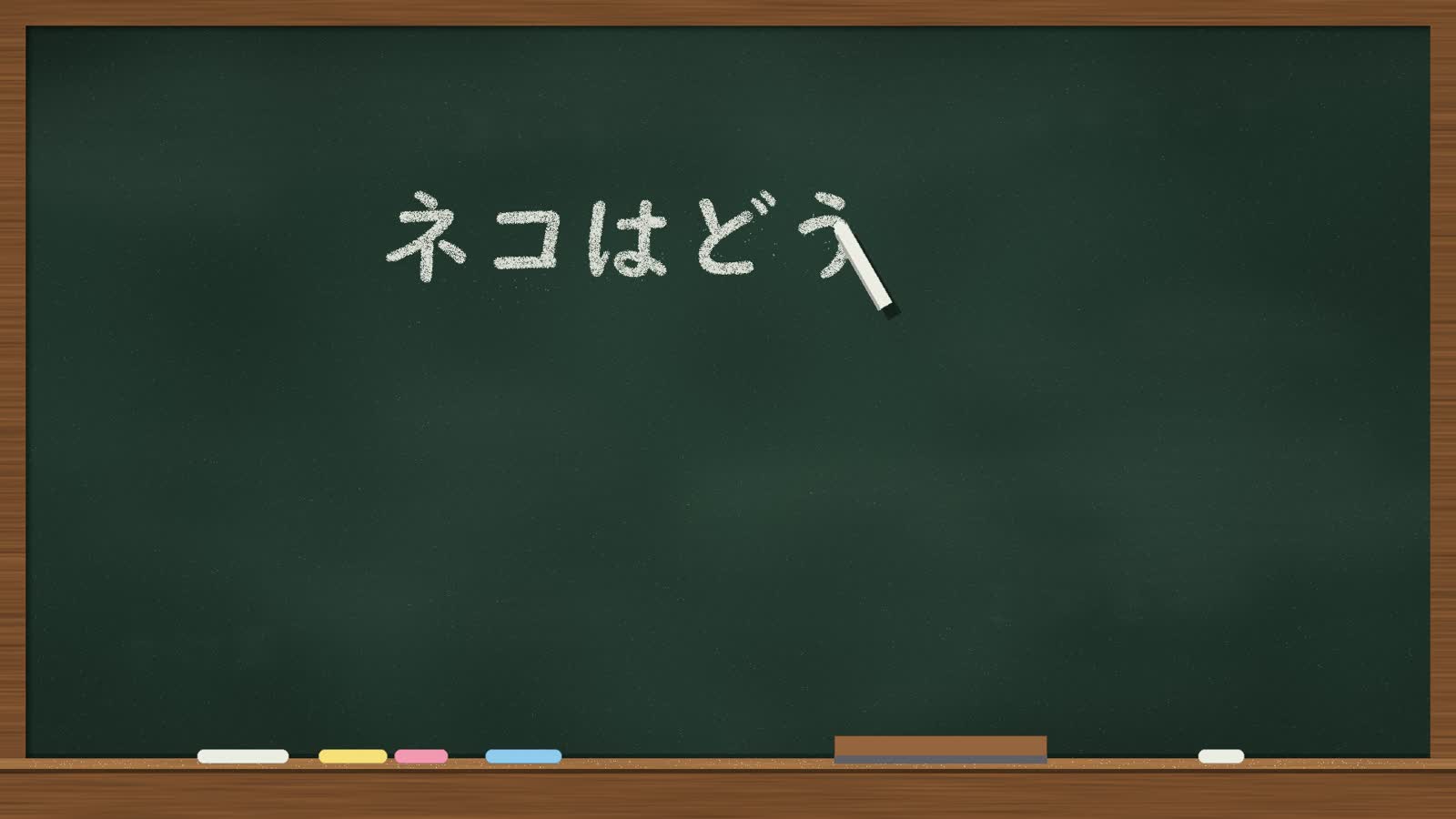
A classroom-style treatment in which drawings and text are chalked onto a blackboard, then erased as the story progresses.
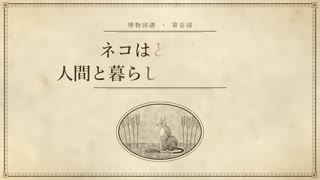
15: Copperplate Hatching
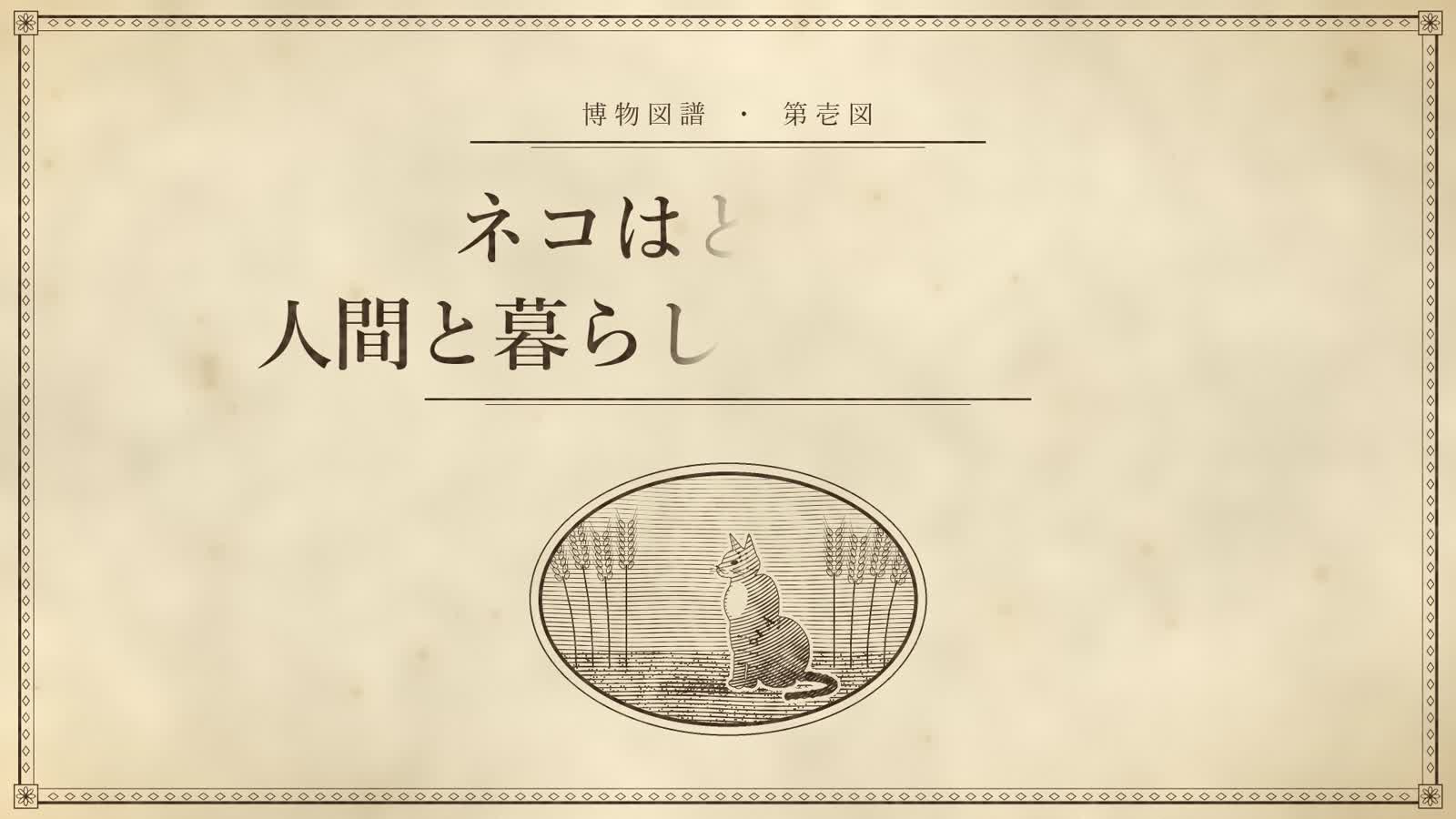
A copperplate-engraving-inspired style that builds shading with outlines, crosshatching, and stippling like an old natural-history illustration.
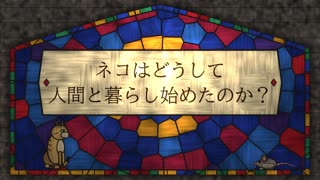
17: Stained Glass
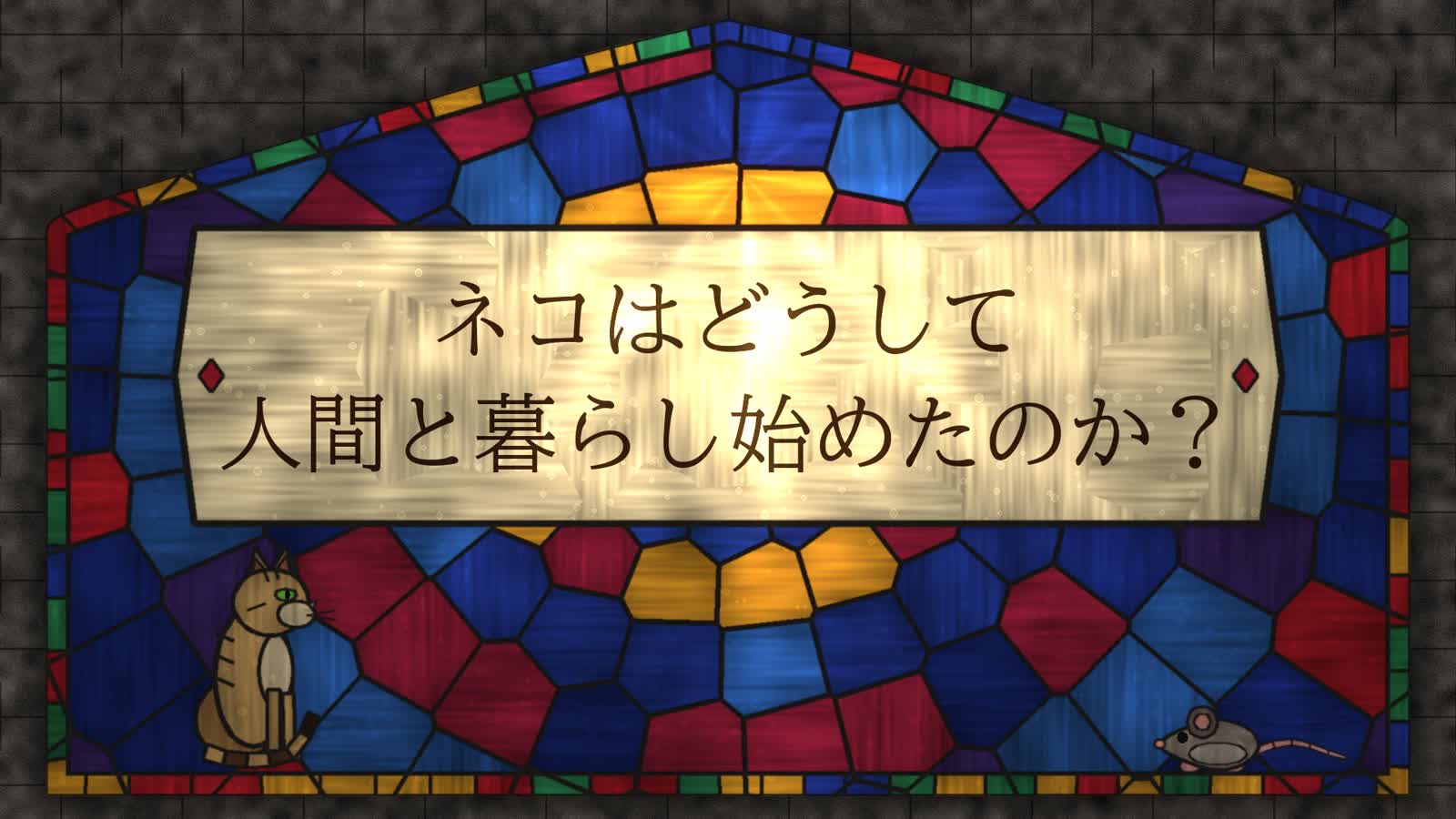
A stained-glass treatment that composes scenes from colored glass fragments and black lead lines, illuminated from behind.
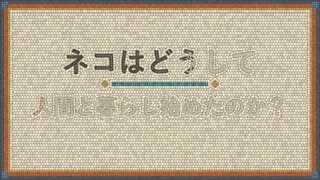
18: Mosaic
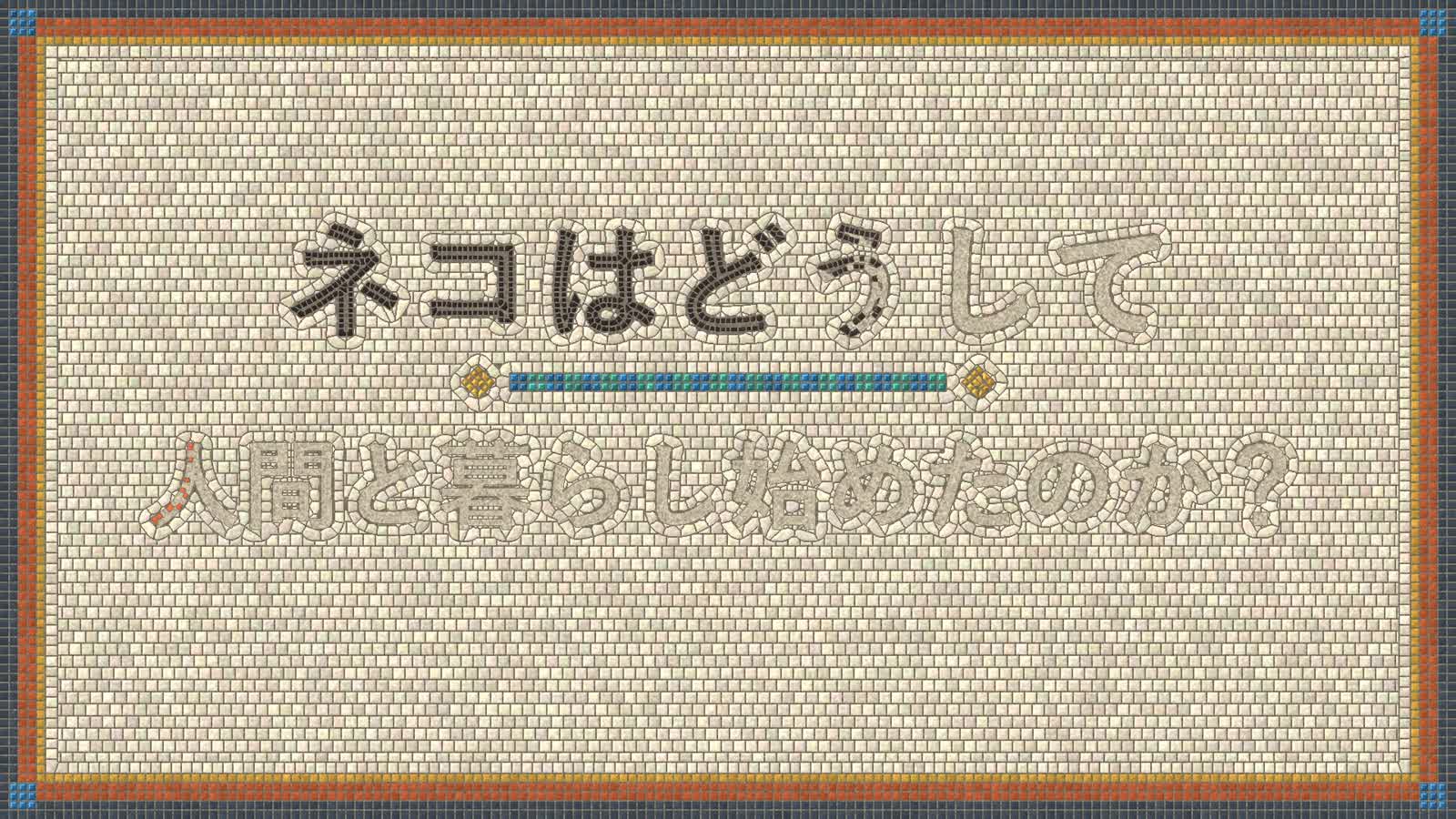
An ancient Roman floor-mosaic-inspired style that depicts people and landscapes with densely arranged small stone tiles.
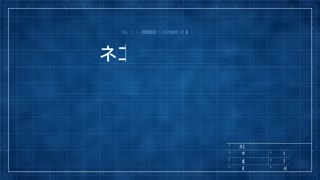
22: Blueprint
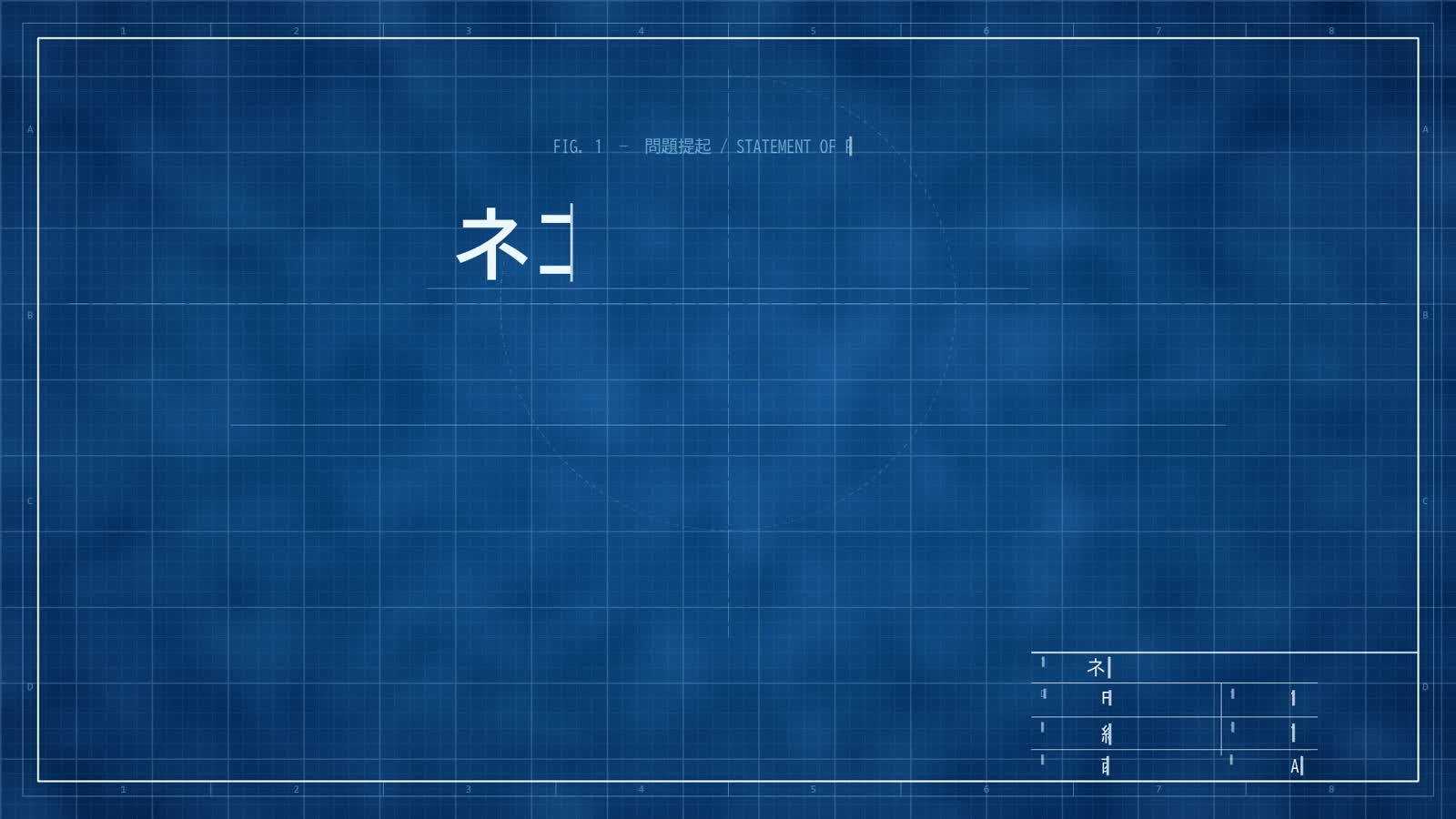
A blueprint style in which images are drafted onto dark-blue graph paper alongside dimension lines and section lines.
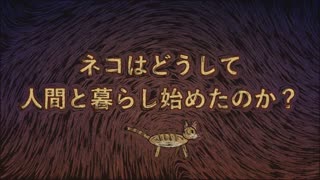
26: Flow Field
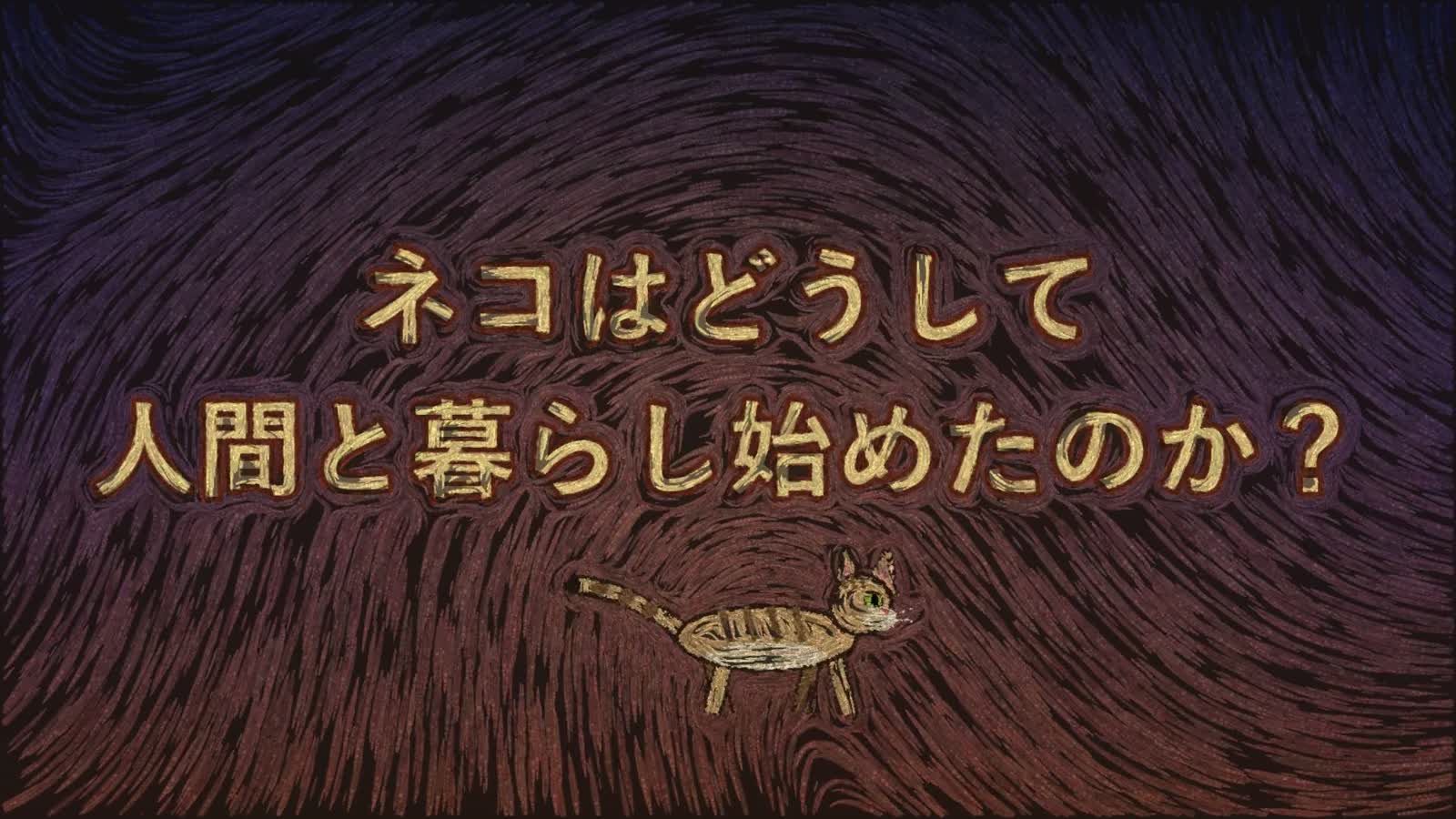
A style in which countless short strokes follow a flow field, swirling into landscapes and characters.
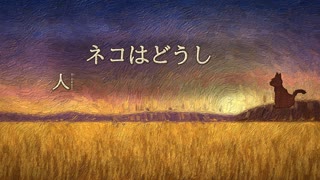
31: Impasto Oil Painting
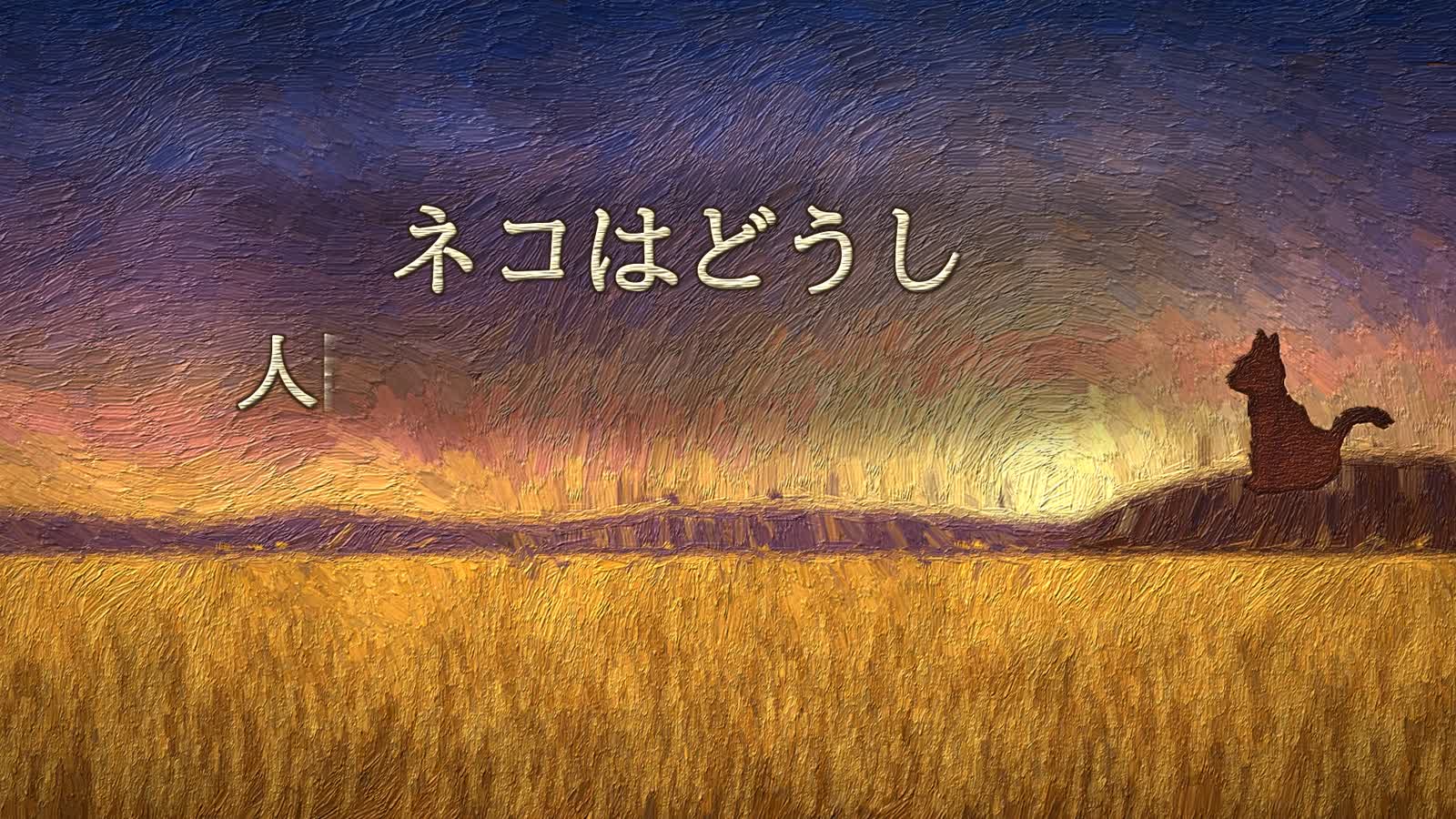
A thickly painted oil style that recreates raised paint, canvas texture, and brushstrokes catching the light.
33: Charcoal
A sketching style in which the drawing develops on paper, retaining charcoal lines, smudged shadows, and eraser marks.
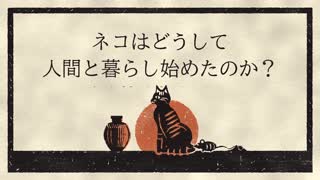
35: Linocut
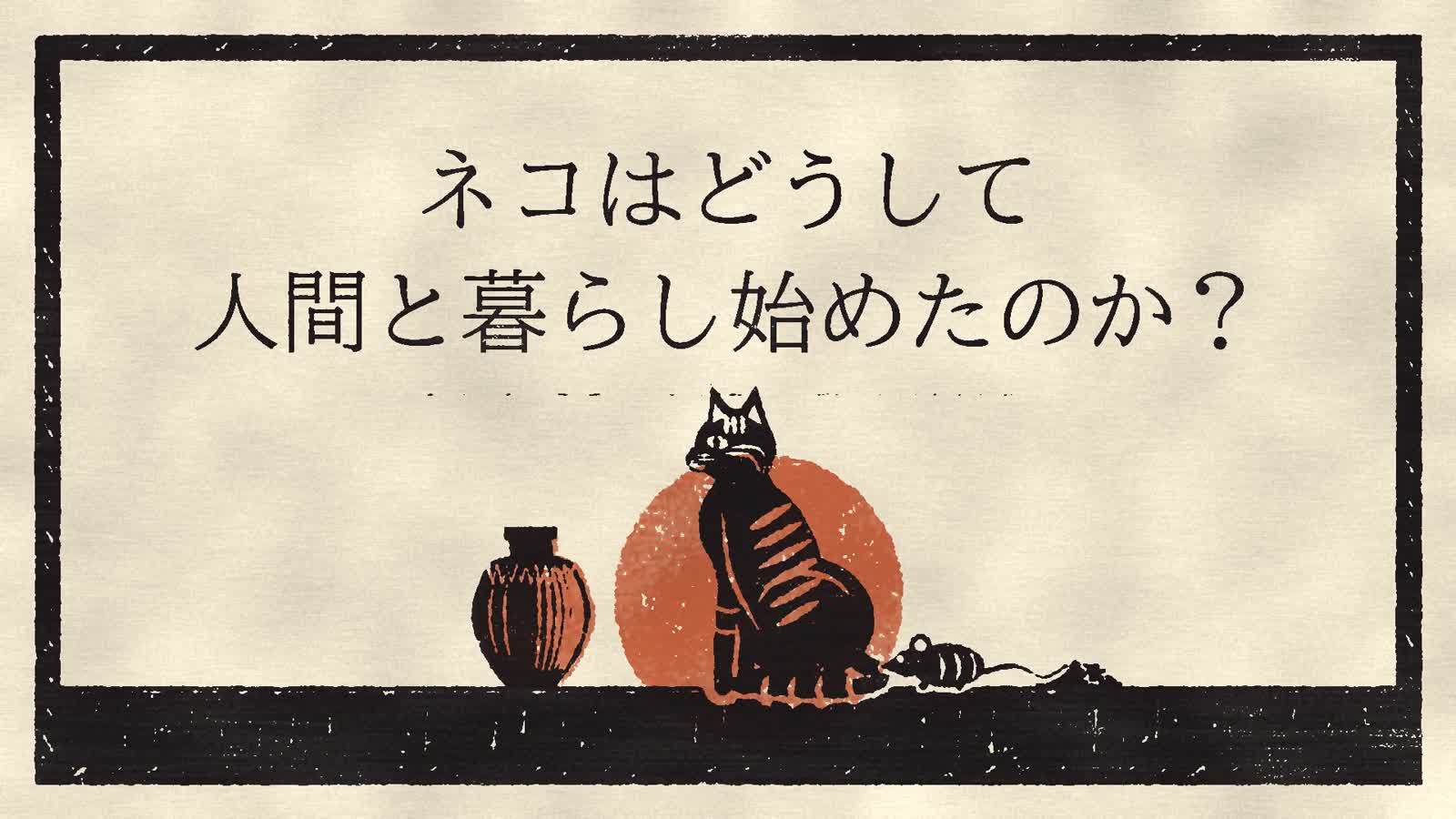
A hand-printed linocut-print style that uses rough carved marks and registration shifts in black and terracotta.
37: Cross Stitch
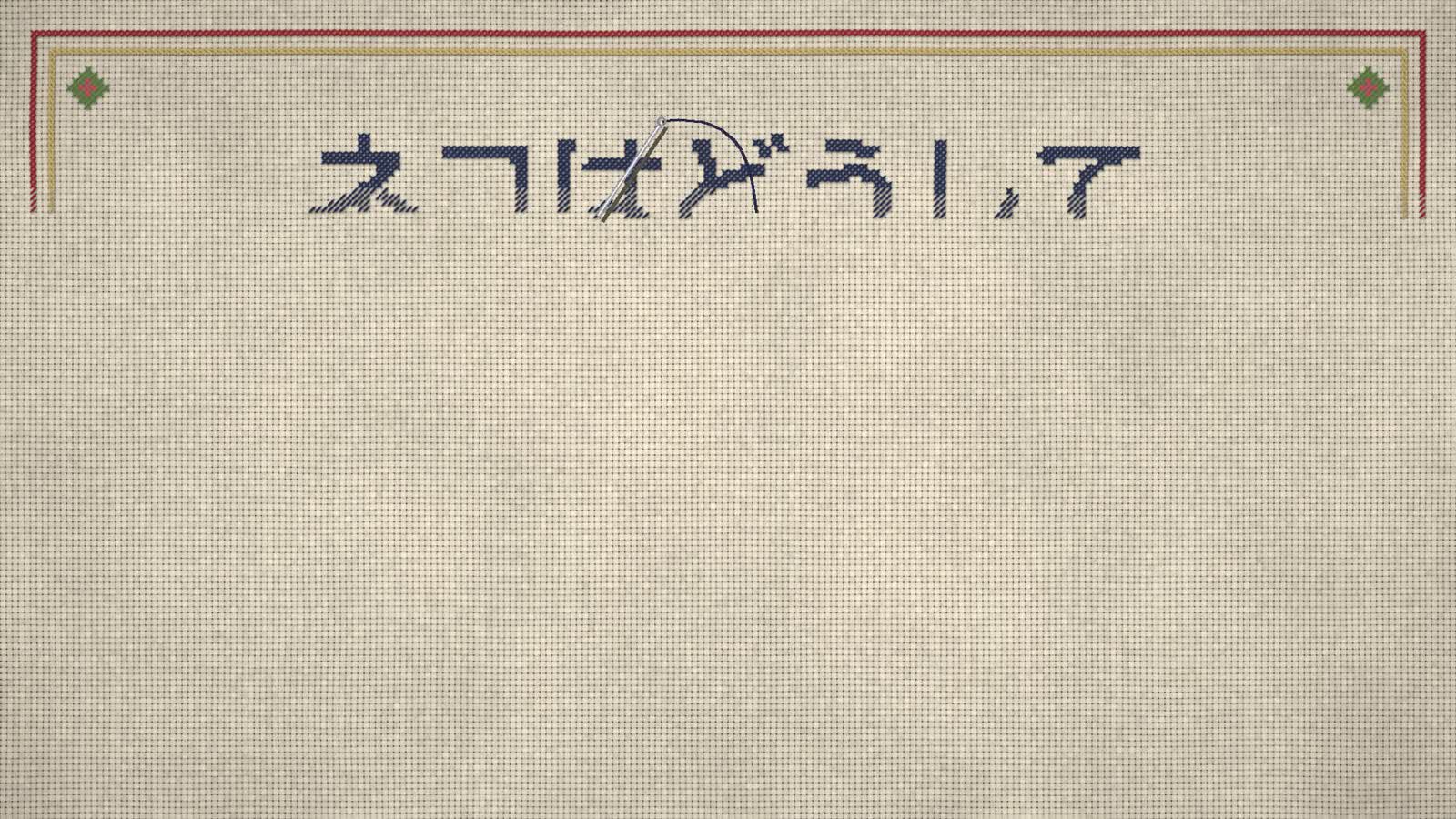
A style in which needle and thread move across the fabric weave, stitching every image and word in cross stitch.
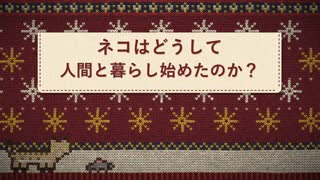
38: Knit
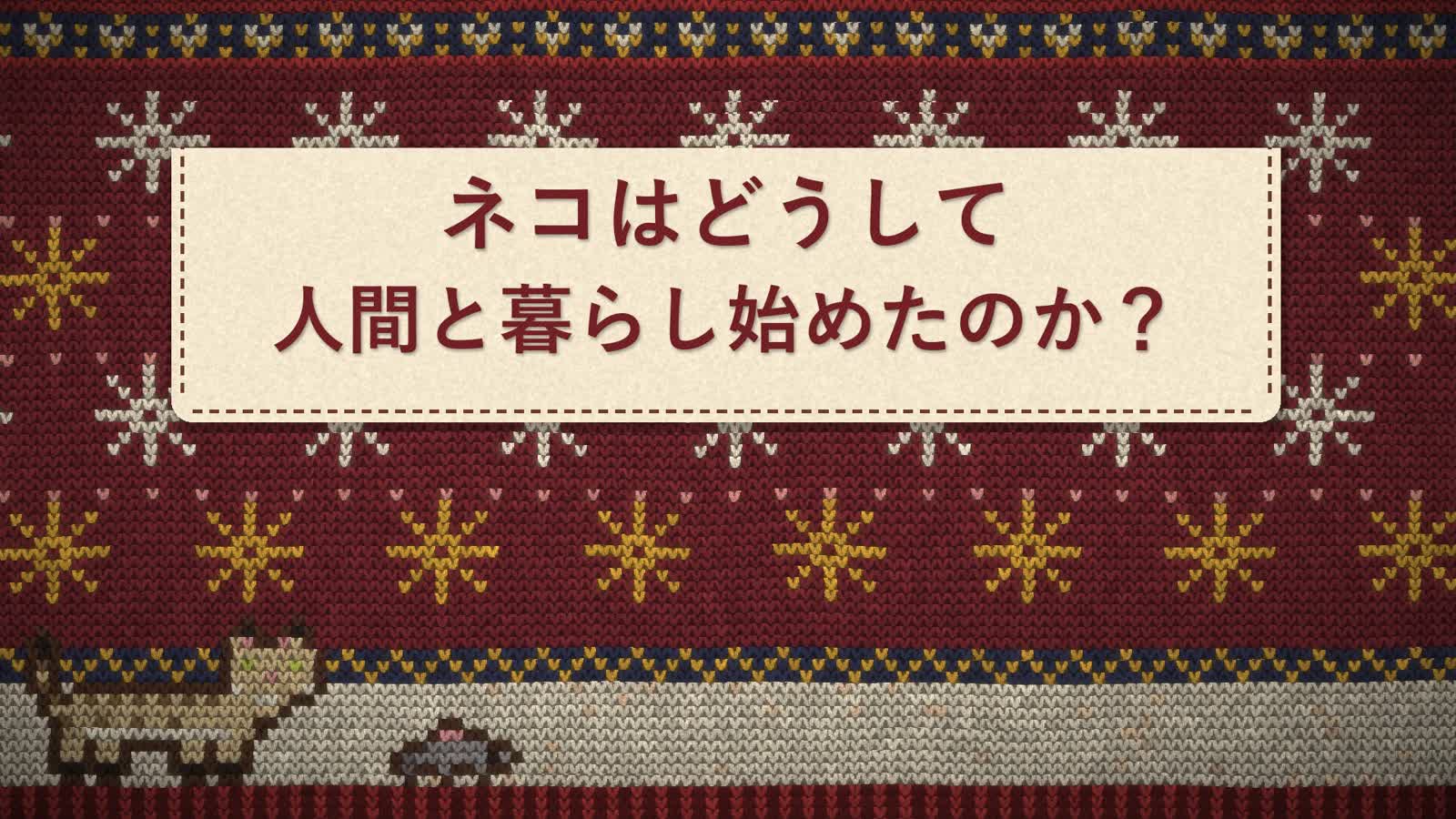
A style that treats the entire screen as the knit texture of a sweater, weaving the story into patterns of colored yarn.
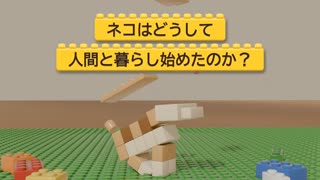
39: Toy Brick
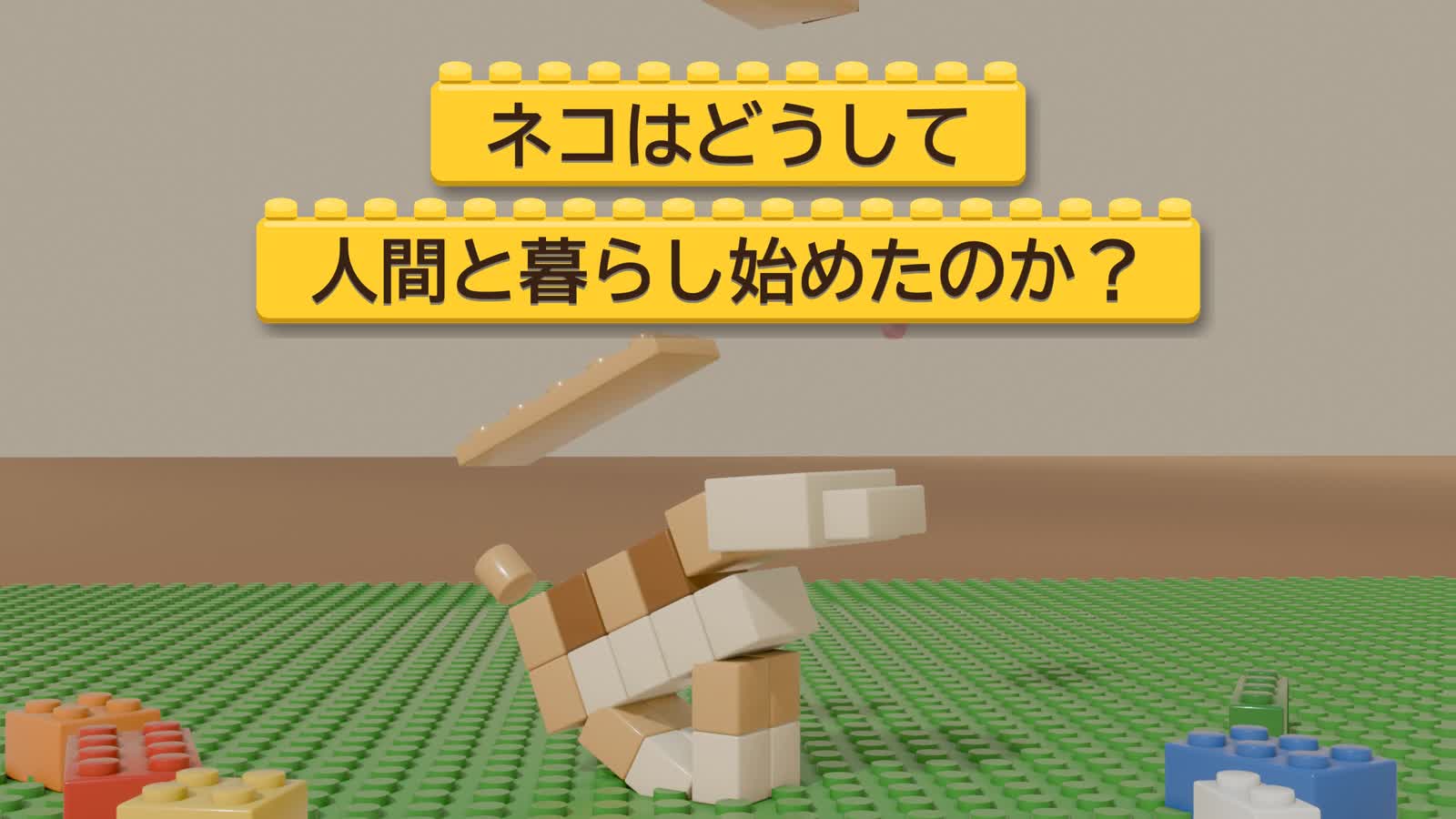
A treatment that assembles glossy plastic bricks and moves them as if in tabletop stop motion.
41: Light Painting
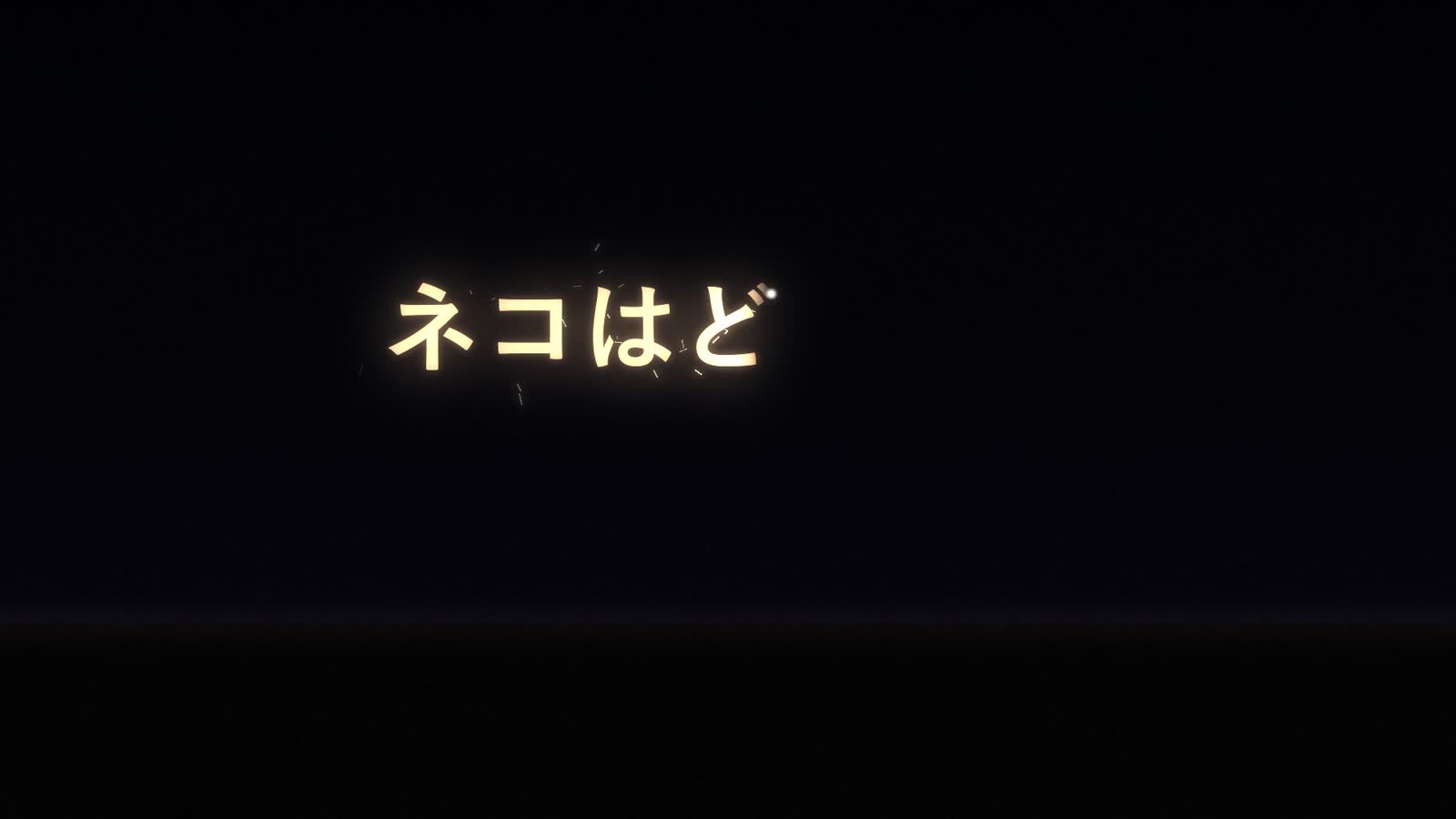
A neon-like style in which a light pen races through the darkness, drawing images with long-exposure trails.
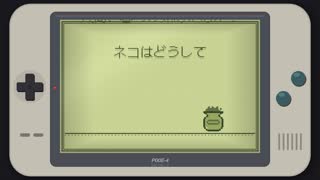
45: Four-Shade Handheld LCD
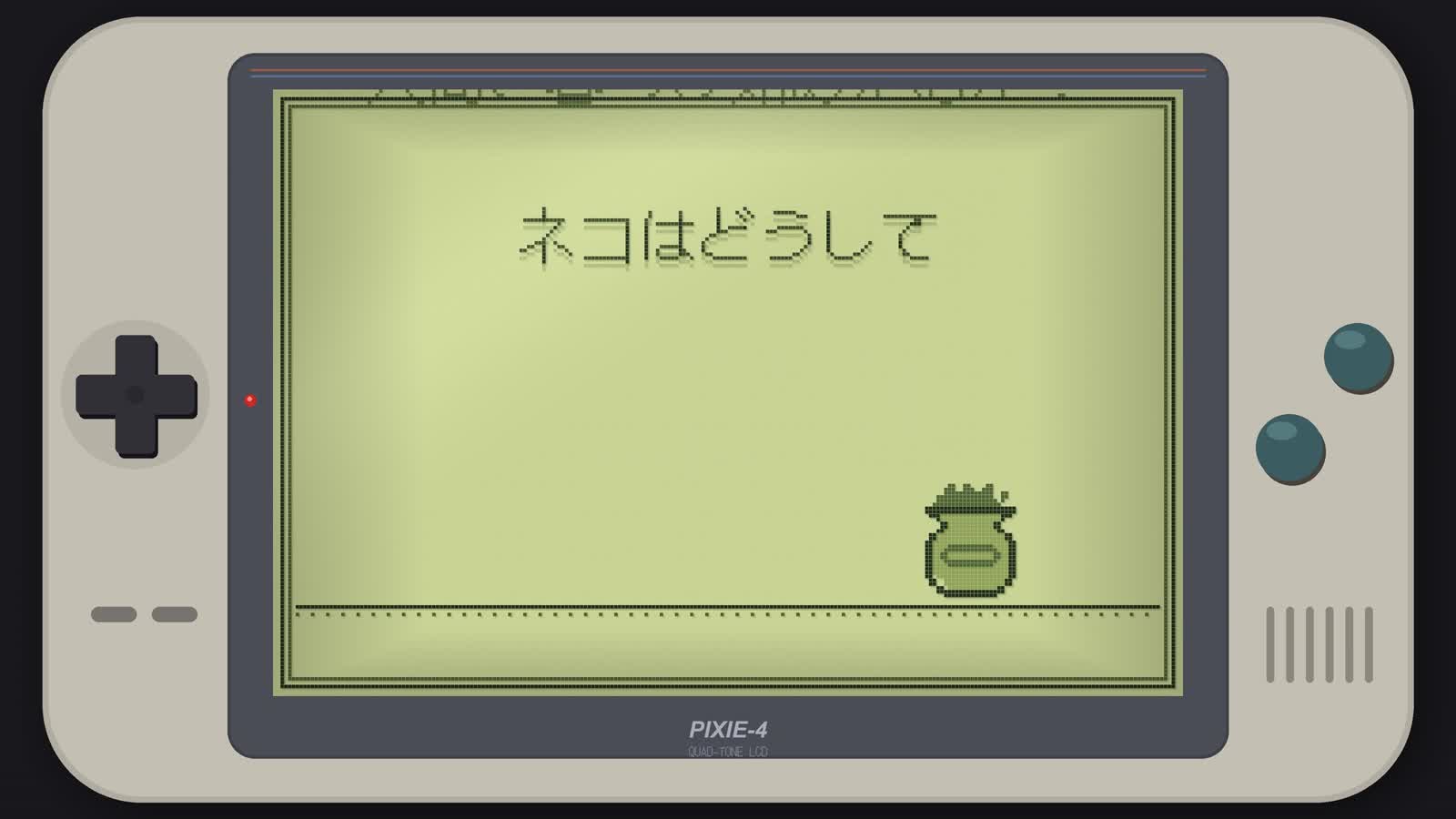
A retro handheld-game style presented through a four-shade olive LCD and RPG-like screens.
46: One-Bit Dither
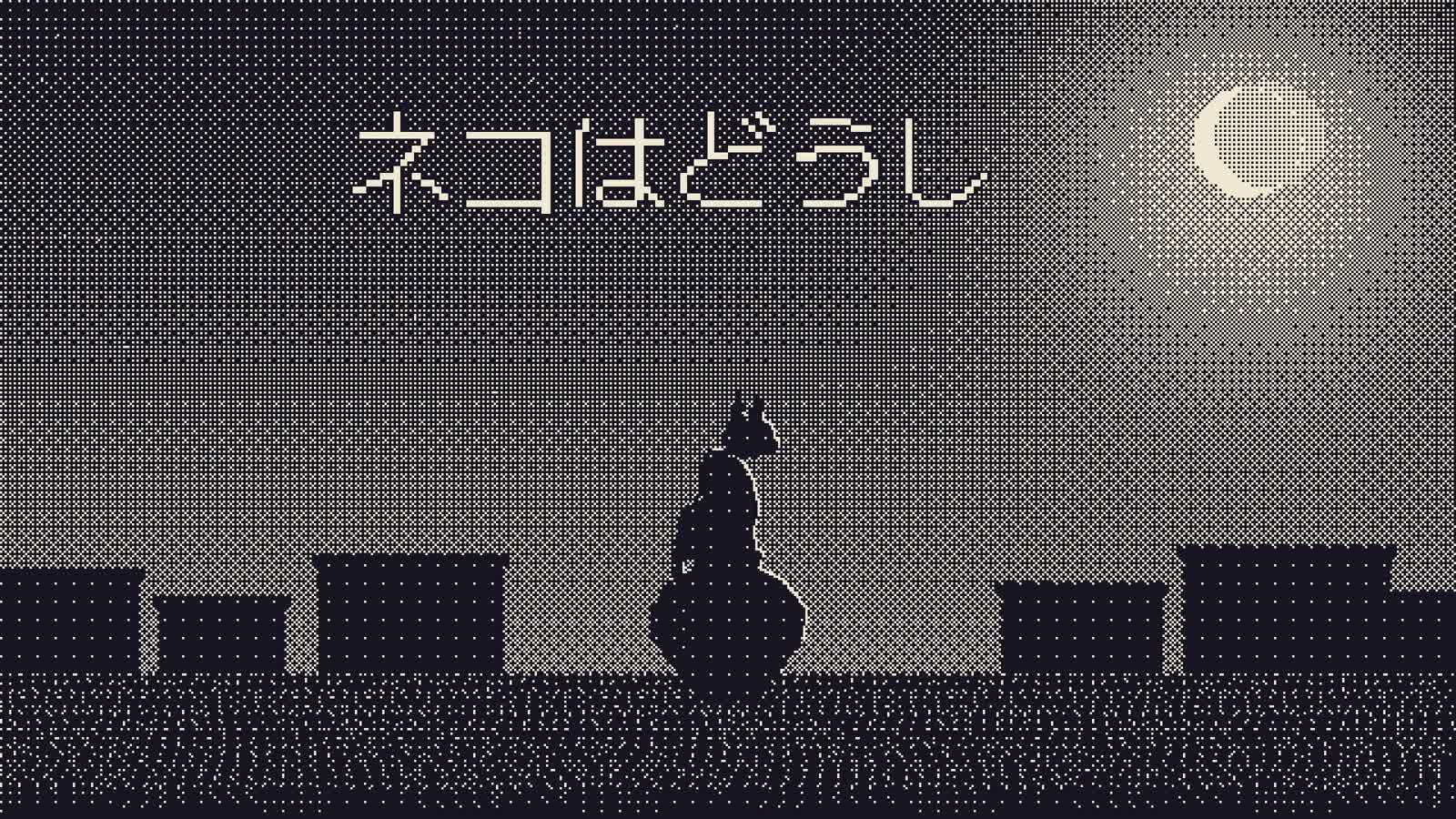
A treatment that mixes only dark ink and paper color with regular dithering to create early-computer-style tonal gradations.
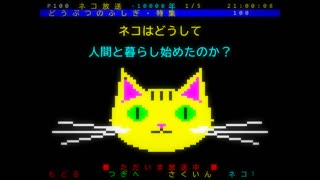
47: Teletext
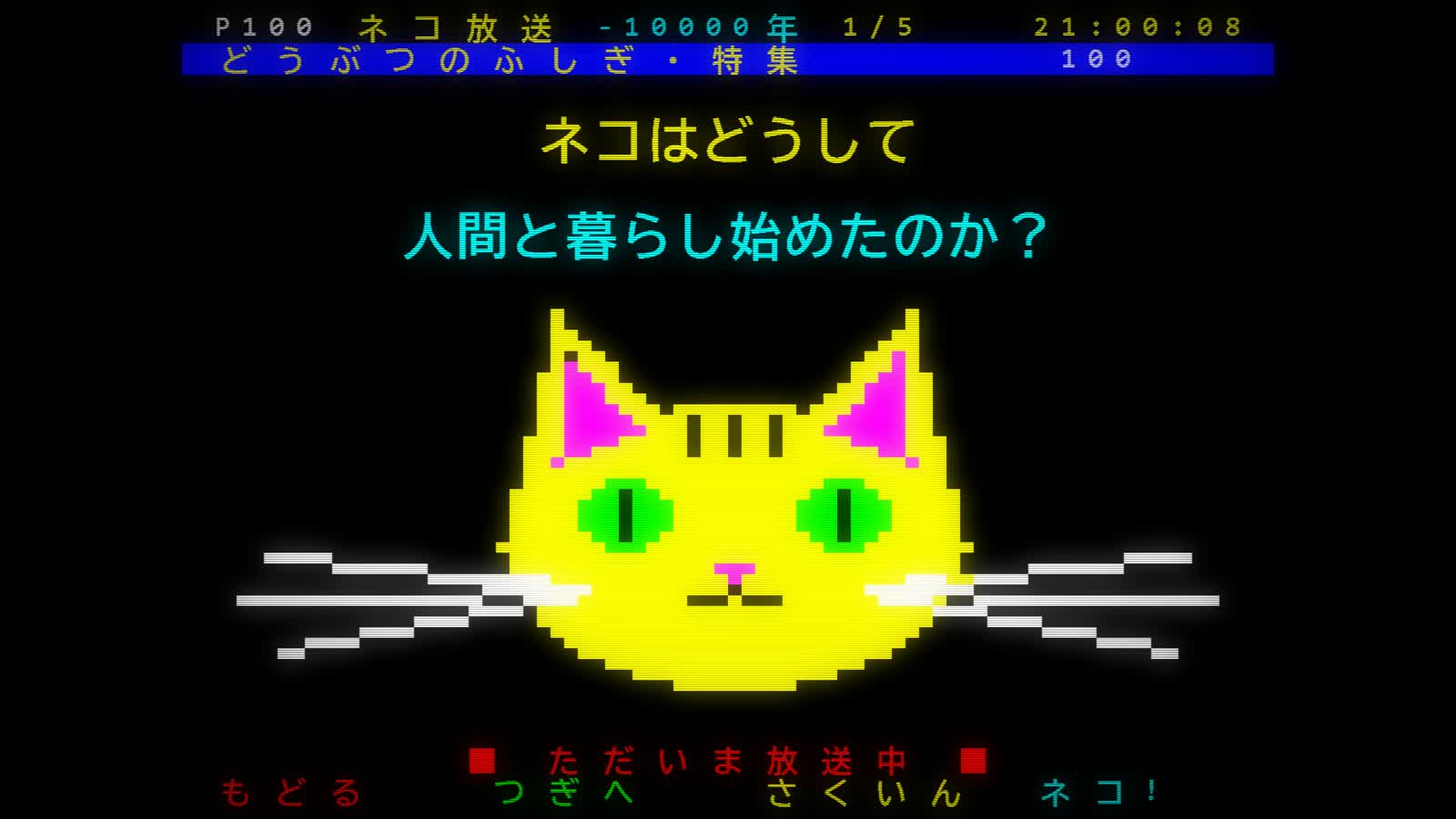
A vintage TV-teletext-inspired design built from 40×25 character cells and eight-color block graphics.
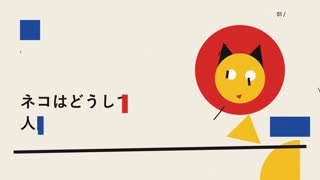
51: Bauhaus
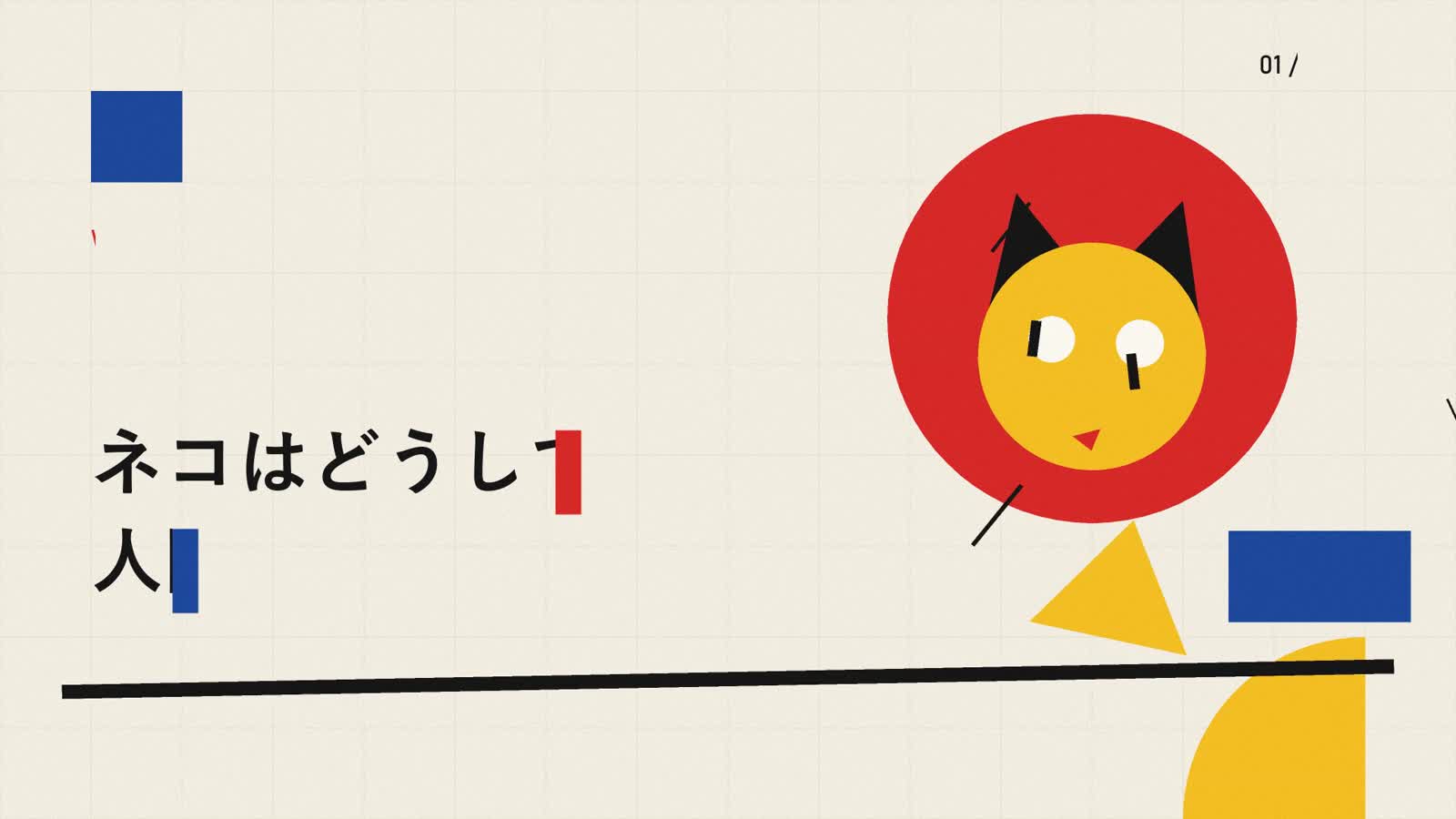
A Bauhaus/Constructivist-poster-inspired style that rhythmically arranges circles, triangles, rectangles, and primary colors.
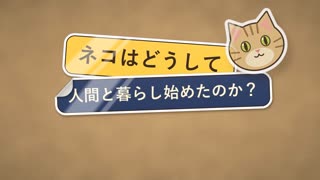
53: Die-Cut Sticker
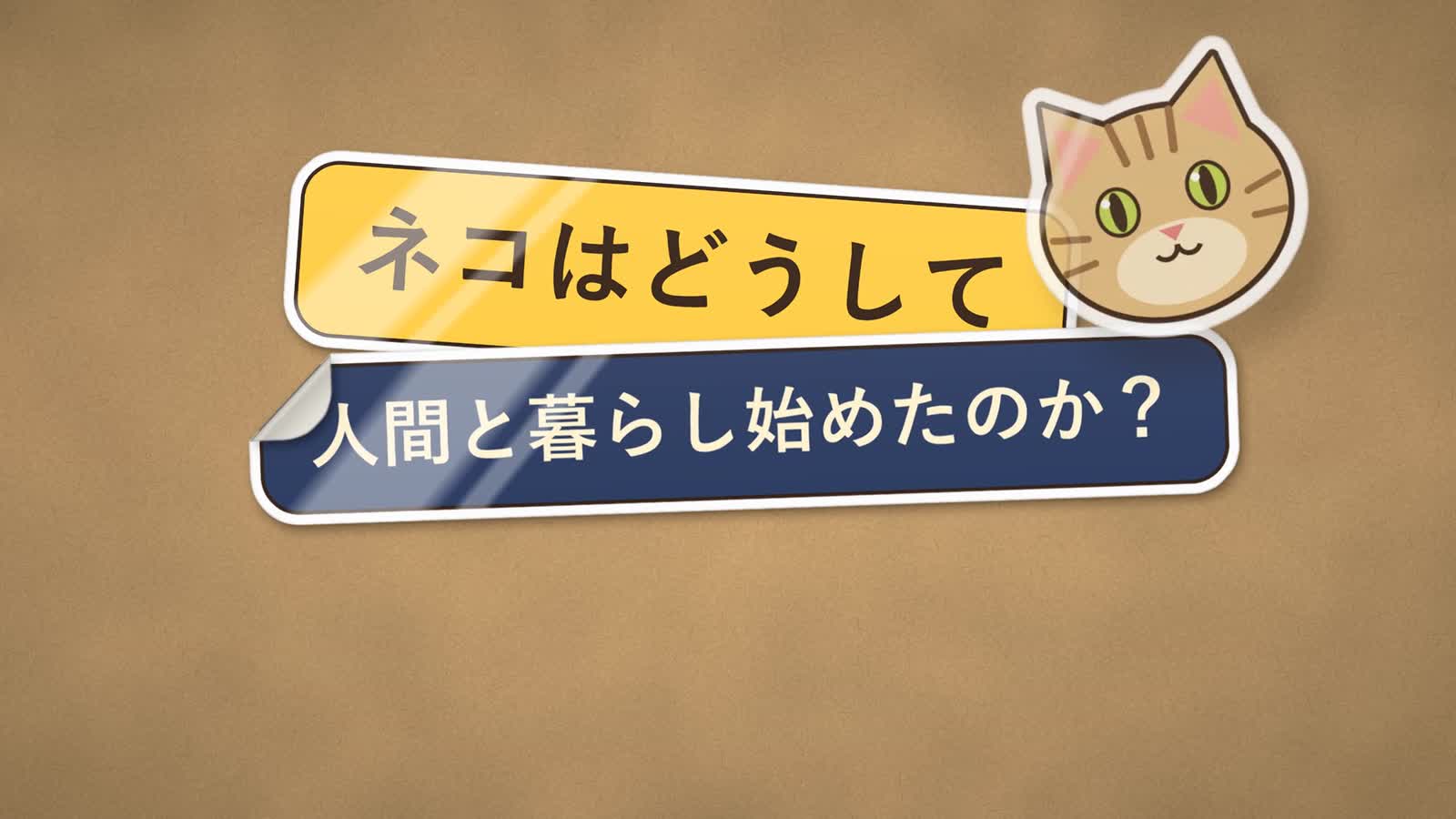
A treatment in which glossy die-cut stickers are placed on kraft paper, wobbling and peeling away.
54: Isometric

An isometric infographic style that organizes a three-dimensional village seen from above at an angle with information cards.
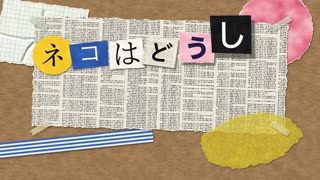
58: Paper Collage
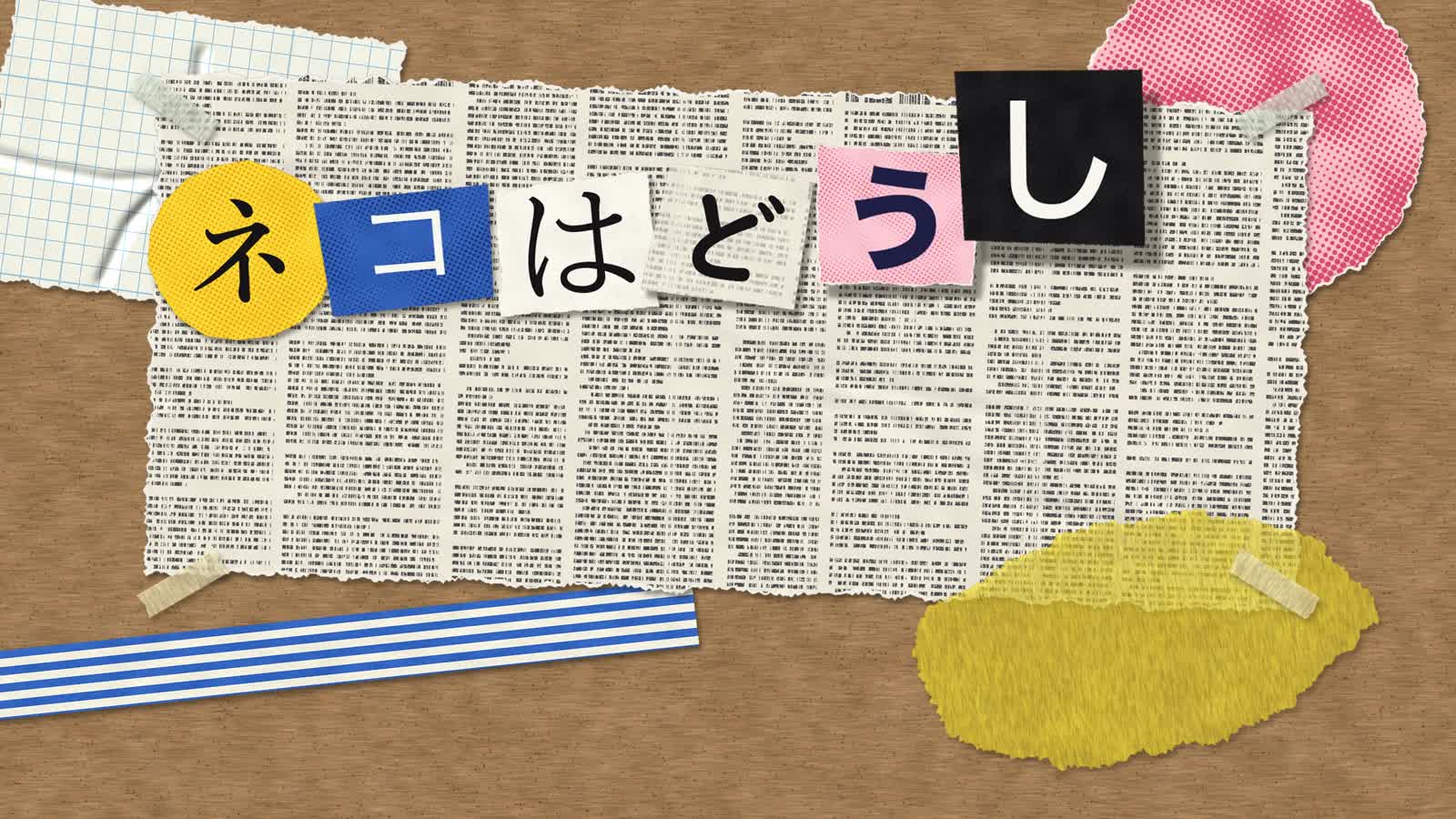
A handmade collage-like treatment that layers different paper scraps, cutout lettering, shadows, and subtle tilts.
What I Learned from Making Them
Even with the same explanatory content, simply changing the material quality, number of colors, line treatment, and rhythm of motion can make it look like an entirely different video—from a picture book, educational material, or game to a craft piece or contemporary art. What was especially interesting was that not only conventional art materials such as “watercolor” and “oil paint,” but also forms that are not inherently video-based—such as “cross stitch,” “knitting,” “stained glass,” and “teletext”—could work as time-based pieces.
On the other hand, merely naming a style is not enough. The more specifically you define the color count, line width, texture, units of motion, and rules for scene transitions, the closer the result gets to the intended look. I began this as a PoC to test the capabilities of Opus 5.5, but it ultimately became less an experiment in “the limits of video generation” and more an exploration of how far a style can be defined through language and code.